Blog
Engineering notes from Atom
Technical writing on compliant actuation, dexterous manipulation, multi-modal perception, and the structural labour conditions in Japan that make humanoid deployment an engineering problem worth solving now — not in five years.

Why the Humanoid Robot Makes Sense for Japan's Factories Now
Japan's working-age population has been contracting for thirty years. The tasks that remain manual are precisely the tasks fixed-arm automation cannot take. Here is why the timing for humanoid deployment is structural, not speculative.
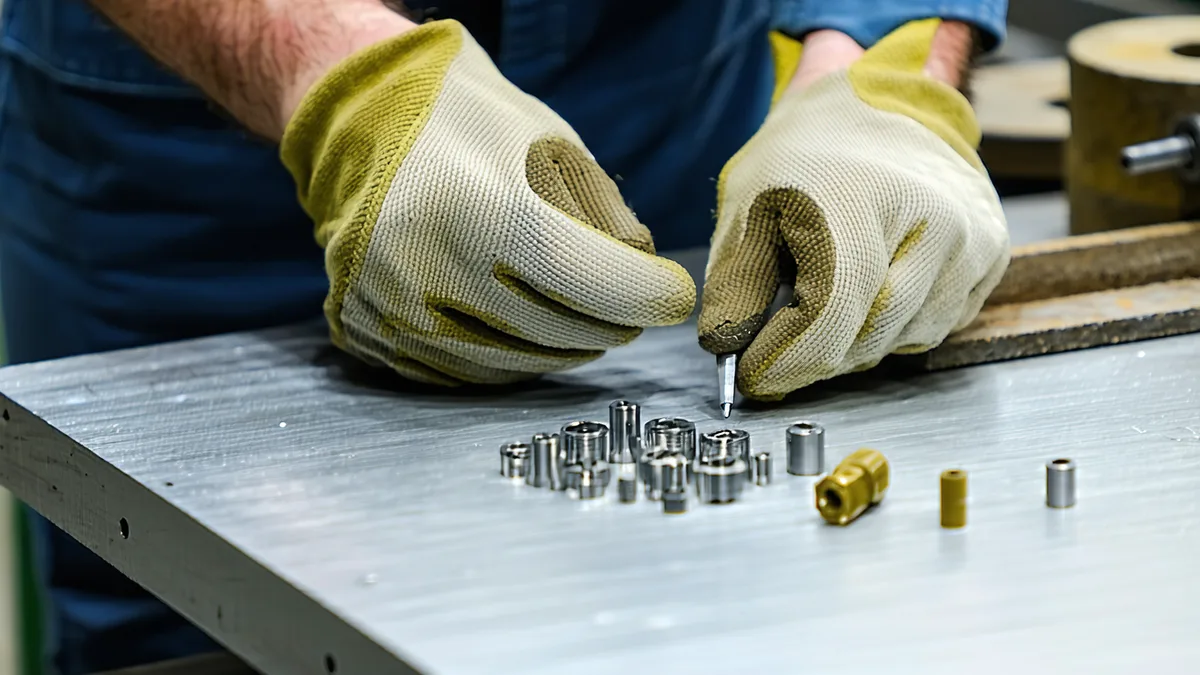
The Dexterous Manipulation Problem: Why Robot Hands Are Still Hard
Pick-and-place is solved for uniform, upright, known-weight objects. It is not solved for the unsorted bin. A breakdown of the geometry, physics, and grasp planning theory that makes dexterous manipulation a different problem from conveyor pick-and-place.

ISO 10218 and What It Means for Collaborative Robot Deployments
ISO 10218 Parts 1 and 2 define collaborative robot requirements for force limits, speed constraints, and separation protocols. What those requirements mean in practice for a facility considering deployment — and where humanoids sit in that framework today.

Designing for Human-Robot Coexistence on the Assembly Line
The physical and procedural design principles that let a humanoid robot work alongside human operators without disrupting established workflows.

Logistics Yards: The Underrated Opportunity for Humanoid Deployment
Warehouses get the attention, but logistics yards — truck docks, sorting lines, transfer points — are where labour shortages bite hardest and fixed automation fits worst.

Teaching a Robot a New Task Without Writing a Line of Code
Traditional robot reprogramming requires a systems integrator and a change order. Demonstration-based learning replaces that cycle with a physical demonstration by the floor supervisor. Here is how the motion policy is generated, what generalisation it provides, and where the current limits are.
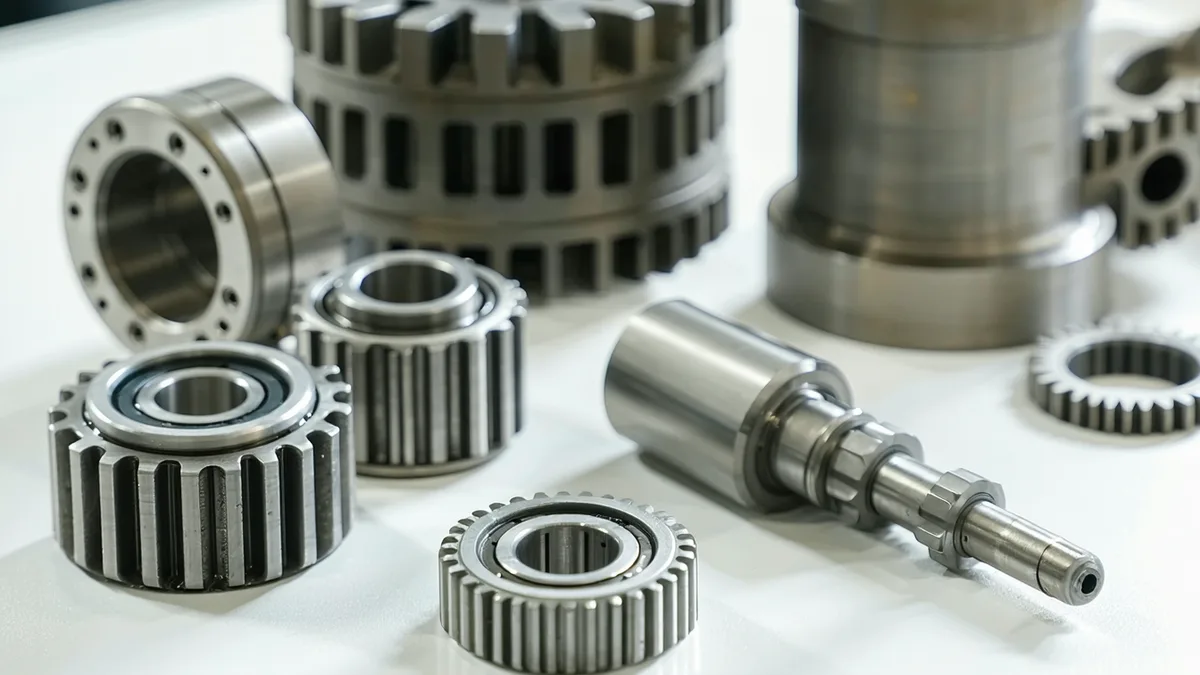
Precision Under Load: The Architecture Behind Atom's Motion Control
Torque-controlled actuation at 1 kHz with hardware-level compliance is what separates a robot that can handle a fragile PCB substrate and a 10 kg sub-assembly in the same task loop from one that has to choose. A detailed look at the control architecture and the ZMP-based balance system that runs underneath it.