Applications
Where Atom works today.
Two deployment environments, selected because they represent the highest-volume unaddressed labour gaps in Japan's manufacturing and logistics sectors — and because Atom's physical capability profile matches the task requirements precisely.
01 — Assembly Line
Precision subassembly and component transfer
Japan's automotive and electronics assembly lines require fine manipulation tasks at every station — bolt tightening, subcomponent fitting, part orientation for the next station. These tasks occur at irregular intervals and require spatial reasoning that fixed arms cannot provide.
Atom works at the stations between the automated islands — the connective tissue of the assembly line that currently depends entirely on human labour.
Assembly line detail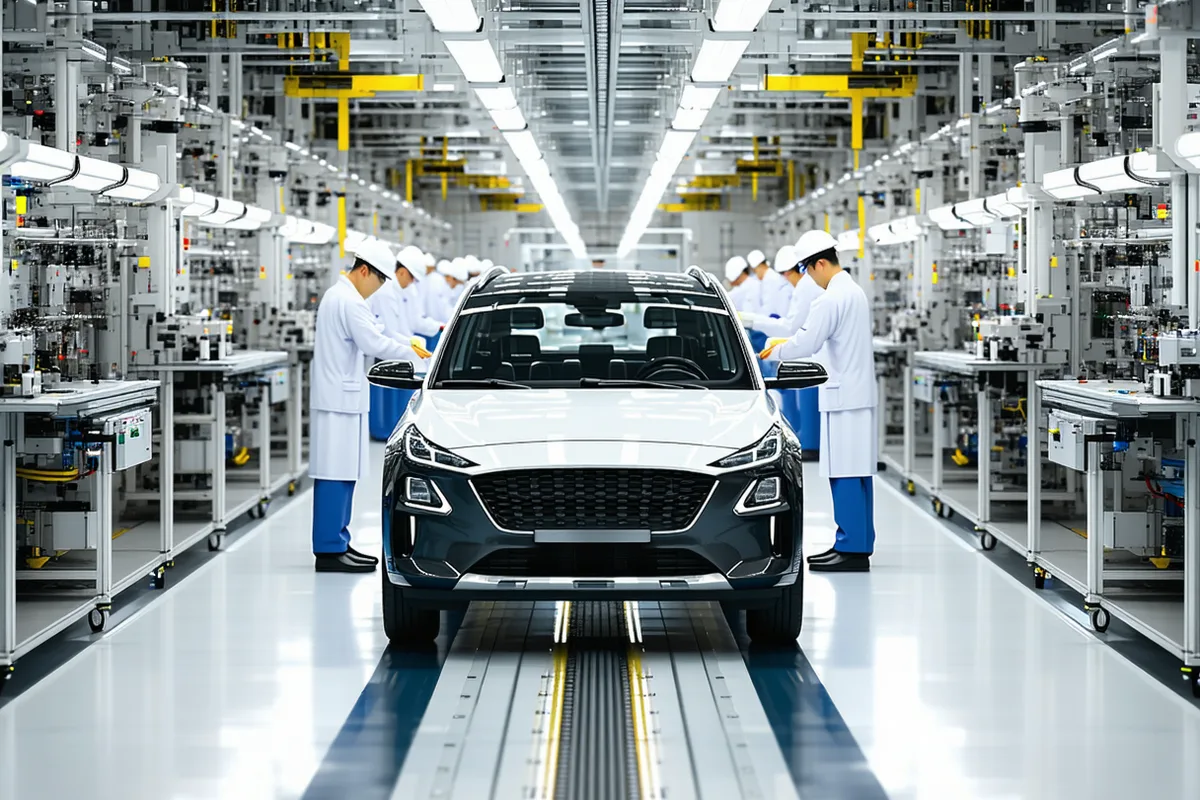
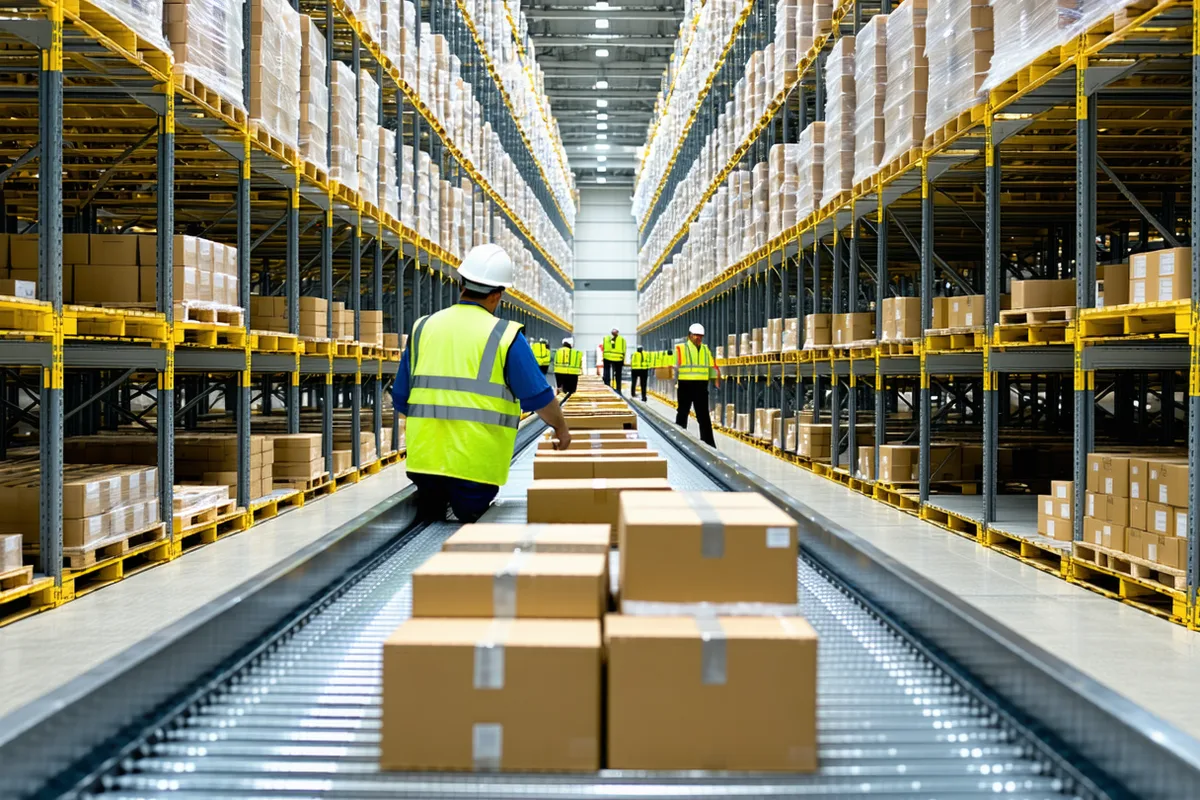
02 — Logistics Yard
Carton handling, sorting, and bin transfer
Logistics yards — truck docks, sorting lines, and transfer points — are the hardest environment for conventional automation. Variable parcel shapes, constantly changing flow patterns, and the need to operate alongside vehicle traffic make fixed automation impractical.
Atom's mobile form factor and ability to learn new sorting tasks quickly makes it suited to environments where the workflow changes as frequently as the shift.
Logistics yard detailNext step
Discuss your workcell with our engineering team
Describe the specific task — the part types, the shift volume, the current manual headcount. We evaluate every facility request individually and tell you honestly whether Atom's current capability envelope is a match.
Request a Briefing